Dew Point Sensors and Meters
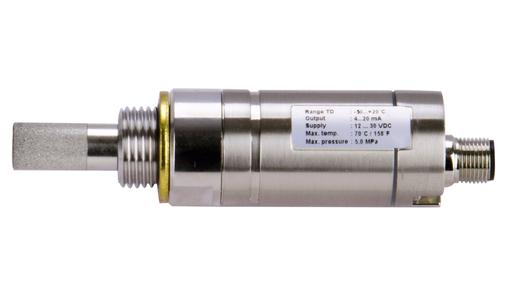
Measure Monitor Control supplies fixed dew point sensors, inline transmitters and handheld dew point meters for compressed air and gas systems. The range measures pressure dew point down to -100°C, covering every dryer type, from refrigerant dryers working to ISO 8573-1 Class 4 through to desiccant systems targeting Class 1. Sensors are available with 4–20 mA and Modbus outputs, including ATEX-certified versions for hazardous areas.
Not sure which sensor suits your system? Our engineers can review your dryer type, line pressure and compliance requirements and recommend the right instrument.
Dew Point Sensors
S211 -60degC Dew Point Sensor
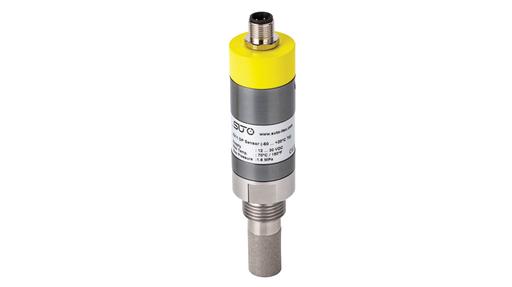
S215 -20degC Dew Point Sensor
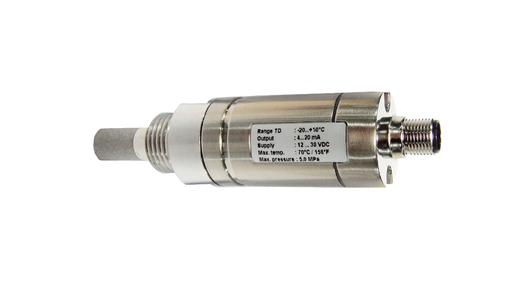
S220 -100degC Dew Point Sensor
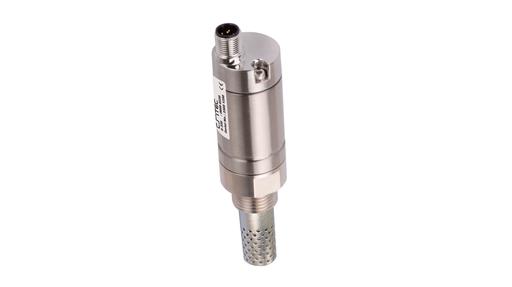
S230 - S231 -100degC Dew Point Sensors
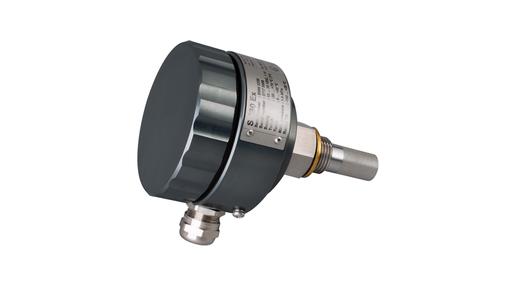
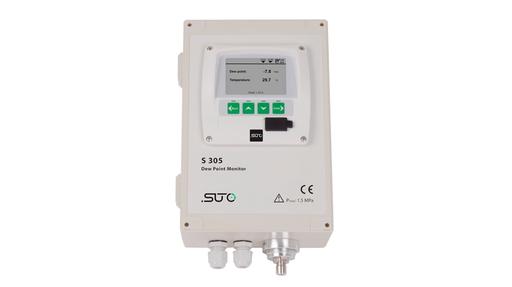
S305 Dew Point Monitor
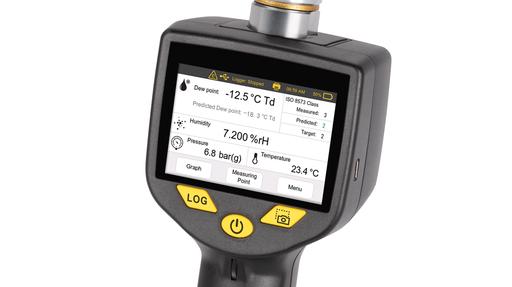
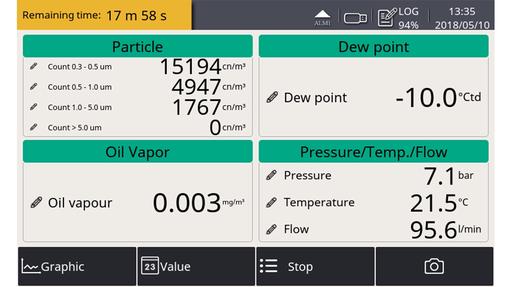
S520 Smart Dew Point Meter
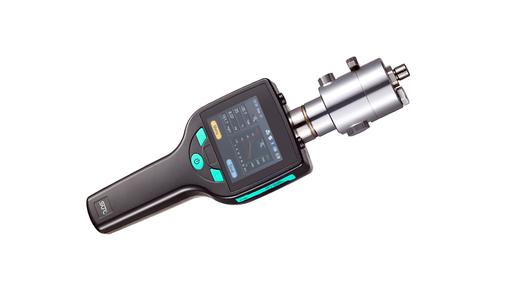
S505 Handheld Dew Point Meter (discontinued)
S201 Dew Point Sensor (discontinued)
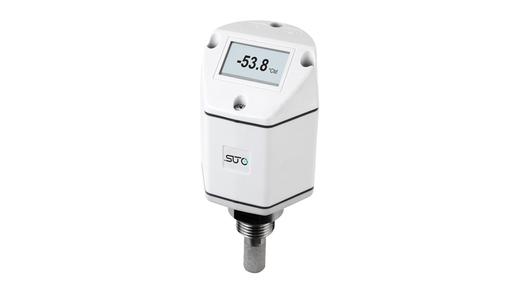
S212 -50degC Dew Point Sensor (discontinued)
Related Articles
ISO 8573 Air Purity
What is dew point?
Dew point is the temperature at which water vapour in air or gas starts to condense into liquid. The lower the dew point, the drier the air. In compressed air systems, dew point is the most direct measure of how well your dryer is removing moisture.
Pressure dew point vs atmospheric dew point
Dew point depends on pressure as well as temperature. When air is compressed, its dew point rises, so moisture can condense at a much higher temperature than it would at atmospheric pressure, sometimes at or above ambient. Pressure dew point (PDP) is the dew point at line pressure; atmospheric dew point (ADP) is the equivalent after the air expands to atmospheric pressure. ISO 8573-1 specifies water content as pressure dew point, so that is what your sensor should report.
Why measure dew point in compressed air?
Moisture in compressed air causes corrosion in pipework and tools, damages pneumatic valves and actuators, and can freeze and split lines exposed to cold. In food, beverage and pharmaceutical production it is also a contamination and compliance risk. The BCAS Food Grade Compressed Air Code of Practice, for example, calls for a pressure dew point of -40°C (ISO 8573-1 Class 2) where air contacts product.
Measuring dew point also lets you control drying efficiently. Dew point dependent switching on desiccant dryers reduces purge air use, cutting the running cost of the whole system.
Continuous monitoring vs spot-checking
Dryers rarely fail suddenly. Desiccant saturates, pre-filters clog and refrigerant circuits degrade gradually, so a periodic spot-check can miss weeks of wet air. A fixed dew point sensor downstream of the dryer gives continuous readings and an alarm before moisture reaches the distribution network. Many sites add a second sensor at critical points of use for redundancy.
Pay particular attention wherever pressure rises or ambient temperature falls, such as a ring main running between buildings, as this is where condensation appears first. Handheld meters like the SUTO S520 remain valuable for commissioning, audits and verifying dryer performance after servicing.
Choosing the right dew point sensor
Match the sensor's range to your dryer's target dew point with some margin below it: a sensor should read accurately at your alarm point, not at the edge of its range. Then consider output (4–20 mA, Modbus), process pressure rating, installation method and whether the area is ATEX-classified.
Dew Point Sensor FAQs
What is a good dew point for compressed air?
+How often should compressed air dew point be measured?
+What is the difference between pressure dew point and atmospheric dew point?
+Where should a dew point sensor be installed?
+Can I use a dew point sensor in an ATEX zone?
+Is a dew point meter the same as a hygrometer?
+Not sure which valve or measurement solution is best?
Use our experience to guide you...
For a deeper understanding of which valve or instrument would be best for you please call or email us now so that we can save you time and ensure you can make a truly objective decision for your company.
Get in Touch
sales@measuremonitorcontrol.com
+44 (0) 1443 772500 / 02922 780798
Red Dragon Limited T/A
Measure Monitor Control
Unit 15 Abergorki Industrial
Estate
Ynyswen Road
Treorchy
South Wales
CF42 6DL
United Kingdom
EORI: GB791056521000
Got a Question?
Need assistance with a product or an enquiry? Fill in the form below and we will get in touch with you as soon as possible: